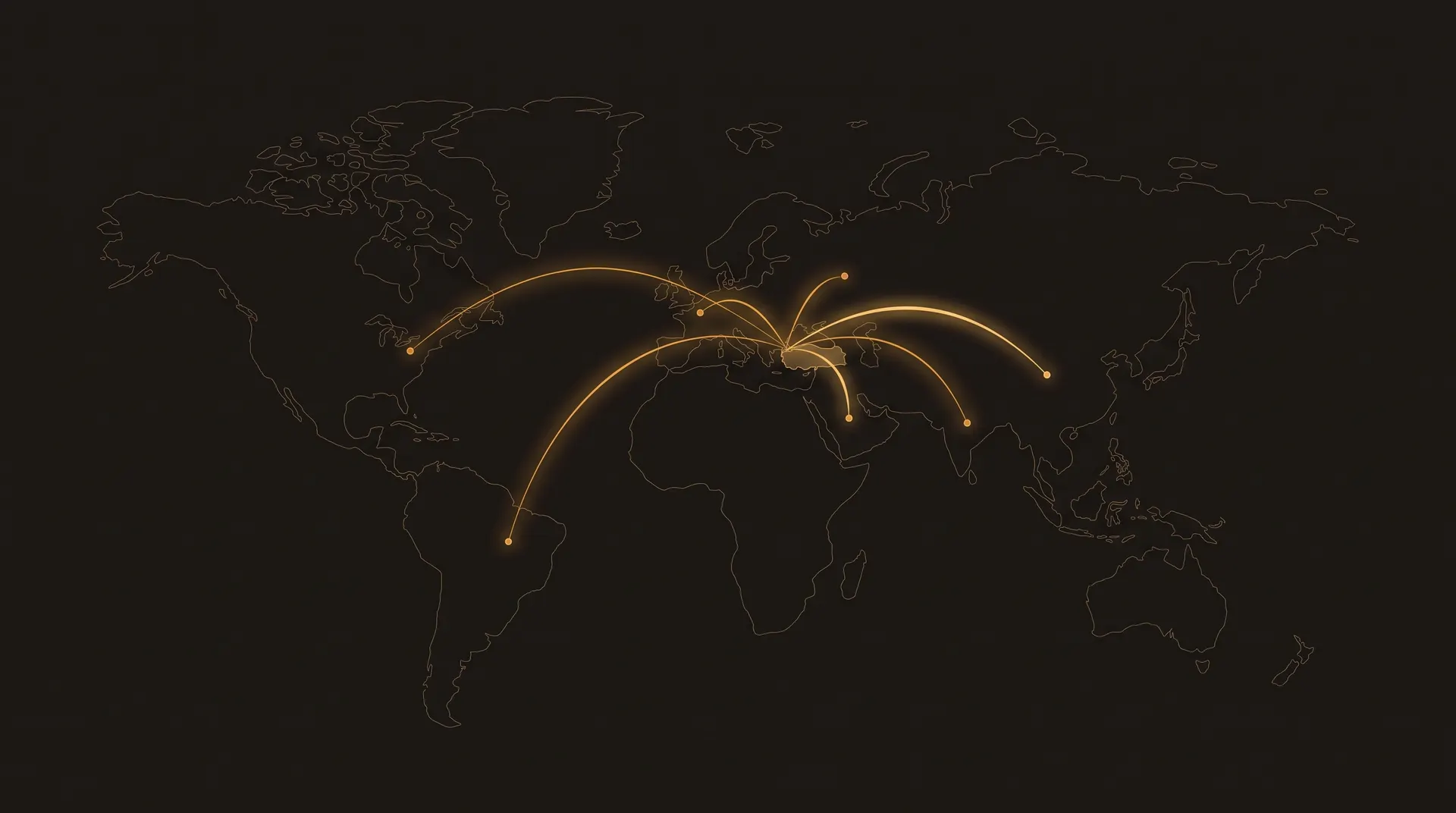
International Sourcing
For many Turkish organisations, the best supplier for a critical material, component or system is abroad. Buying across borders opens access to technology, capacity and price that the local market cannot offer, but it also adds currency exposure, freight, duties, documentation and distance to every order. The quote with the lowest unit price is not always the lowest-cost option once it has been delivered.
We help Turkish organisations find, qualify and contract international suppliers, and assess landed cost and, where relevant, total cost of ownership from the start.
Our approach
Define what must be sourced abroad, and why.
Some requirements can only be met internationally; others are bought abroad out of habit. We separate the two, so that international sourcing is used where it creates value and local alternatives are tested where they exist.
Search and appraise internationally.
We identify manufacturers and authorised distributors, verify their standing and technical capability, and confirm the difference between the manufacturer, the distributor and the trader before any commercial discussion starts.
Compare landed cost and total cost.
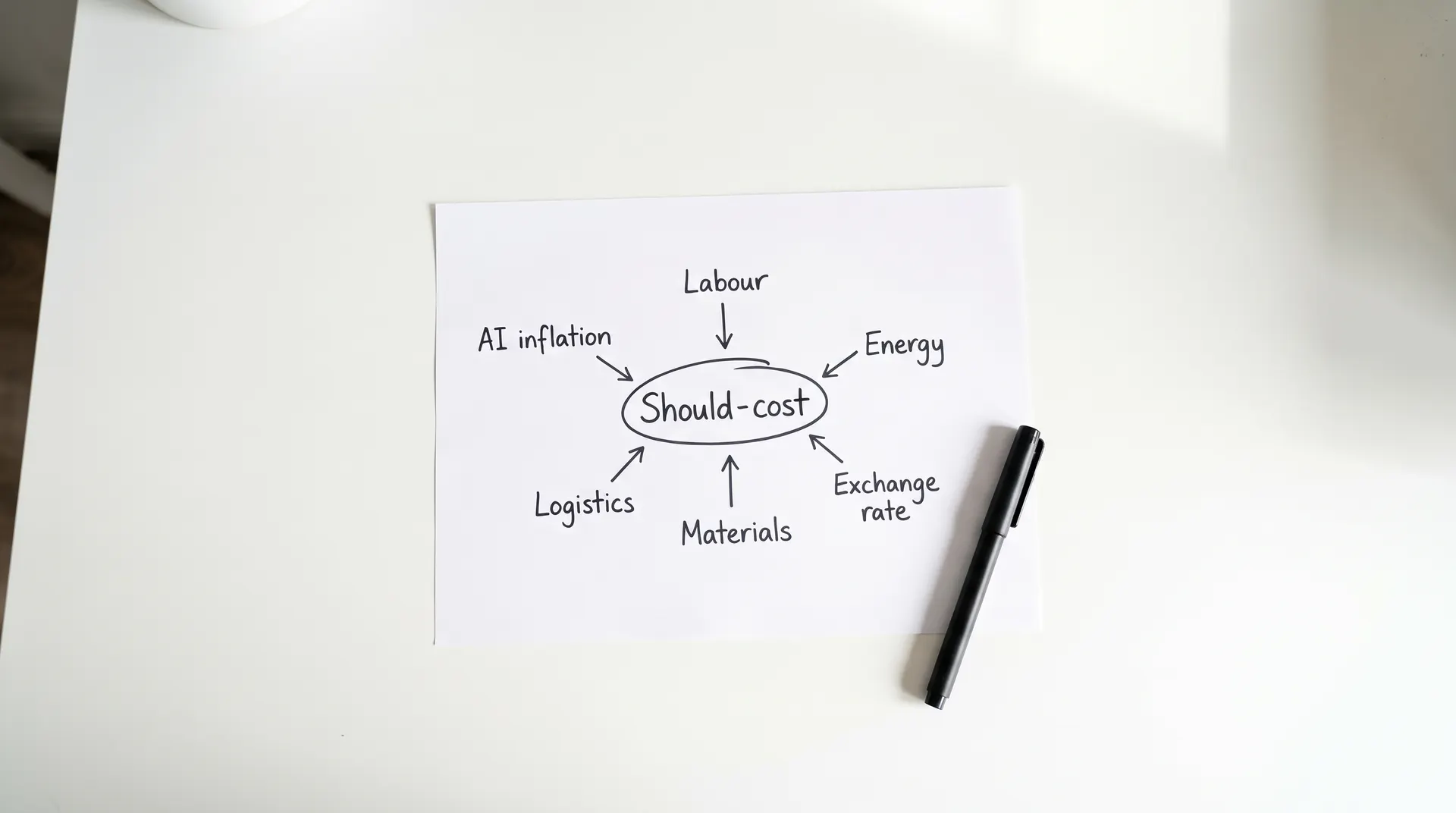
Each offer is first converted into a landed cost at the agreed delivery point: product price, freight, insurance, customs duties and taxes, clearance and handling. Where relevant, the comparison is extended to total cost of ownership: payment terms, the currency in which the price is fixed, the stock needed to cover long lead times, after-sales support and the cost of quality problems.
Contract for the distance.
Incoterms, delivery and inspection points, warranty handling, spare parts availability and the supplier's obligations when something fails in Türkiye are agreed in writing before the order.
Manage the flow.
Orders are tracked from confirmation to delivery, with shipping documentation, customs requirements and special handling, such as dangerous goods or temperature-sensitive loads, planned in advance rather than solved at the border.
Key themes
Comparing international and local offers on unit price alone is a common and costly mistake. Landed cost adds what it takes to bring the goods to the agreed delivery point: freight, insurance, duties and clearance. Total cost of ownership goes further: currency movements between order and payment, the stock held to cover long lead times, after-sales support and the cost of a failure that has to be shipped back across a border. Either view can change the answer.
When costs are incurred in one currency and sold in another, the currency clause is part of the price. The choice of invoicing currency, the timing of payment and the way price adjustments are handled should be decided deliberately, not left to the supplier's standard terms.
The real test of an international supplier comes after delivery: a warranty claim, a failed unit, a spare part needed urgently. Repair routes, shipping restrictions on returning equipment, lead times for spare parts and the supplier's support commitments should be understood before the contract is signed, not discovered when the first failure occurs.
What we deliver
- Sourcing need assessment: international versus local alternatives
- International supplier search, verification and appraisal
- Landed cost and total cost of ownership comparison
- Commercial terms: Incoterms, currency, payment and warranty structure
- Contract clauses for delivery, inspection, after-sales and spare parts
- Import planning, documentation and special handling requirements
- Order tracking from confirmation to delivery



Buying from abroad?
Send us the requirement and the offers you have. We will show you how they compare on landed cost and total cost.