
Case Studies
The cases below come from in-house procurement leadership roles in energy, defence and pharmaceuticals. They are described without names, and with the focus on what matters most in procurement: how the problem was read, which levers were used and why.
Sourcing · Supplier Development · Energy & Utilities
1. Cancelling a Tender to Win It
Improving tender competition through supplier development
- Context.
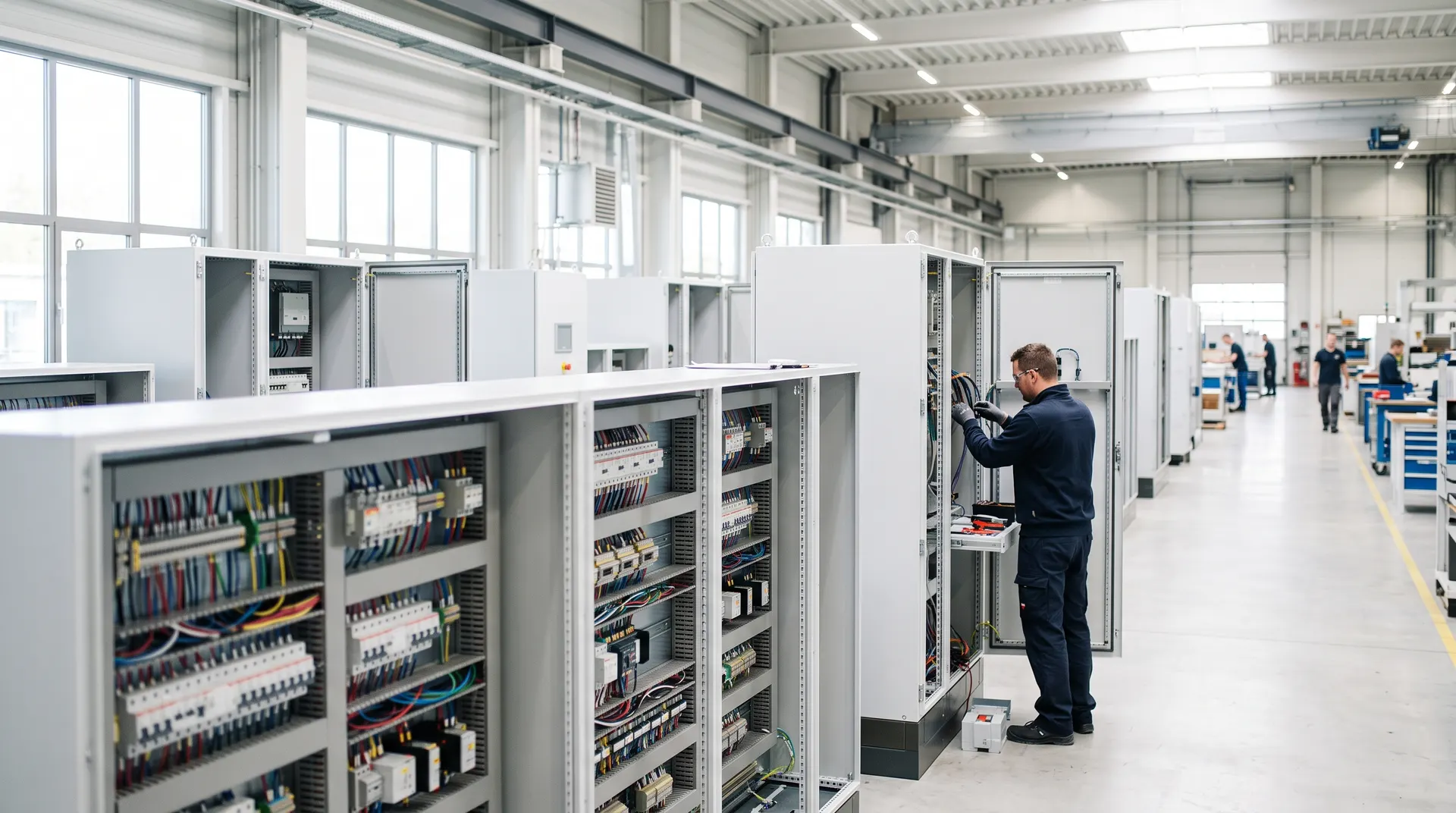
- A large electricity distributor bought switchgear through regulated tenders and reverse auctions. Before each tender, the procurement team prepared a pre-tender estimate and shared it with the stakeholders.
- The challenge.
- Participation in the switchgear tender was lower than expected, and every bid came in well above the estimate. The amount exceeded the approval limit of the procurement manager, and the decision went to the finance and procurement director, who asked a simple question: what would you do?
- How it was read.
- The problem was not the bids; it was the field. Every bidder was based in the same region. Negotiating the lowest offer down would still leave the company paying far above the real cost, and dependent on a narrow, concentrated supply base.
- What was done.
- The recommendation was to cancel the tender and to state openly that it had been cancelled because the prices were too high. That message told the market the buyer knew what the work should cost. In the weeks that followed, potential manufacturers were visited across several other regions, and supplier appraisal and quality audits were run in parallel with the quality team so that qualification did not delay the timetable. The tender was then re-run to a wider, qualified field.
- Outcome.
- The second tender attracted twice as many bidders, was won by newly qualified manufacturers and was contracted below the pre-tender estimate. The approach changed how the organisation saw the function: its supplier management group was renamed to include supplier development.
Risk & Resilience · Defence & Aerospace
2. Rewriting a Specification the Market Would Not Commit To
Recovering a critical hardware purchase through specification review
- Context.
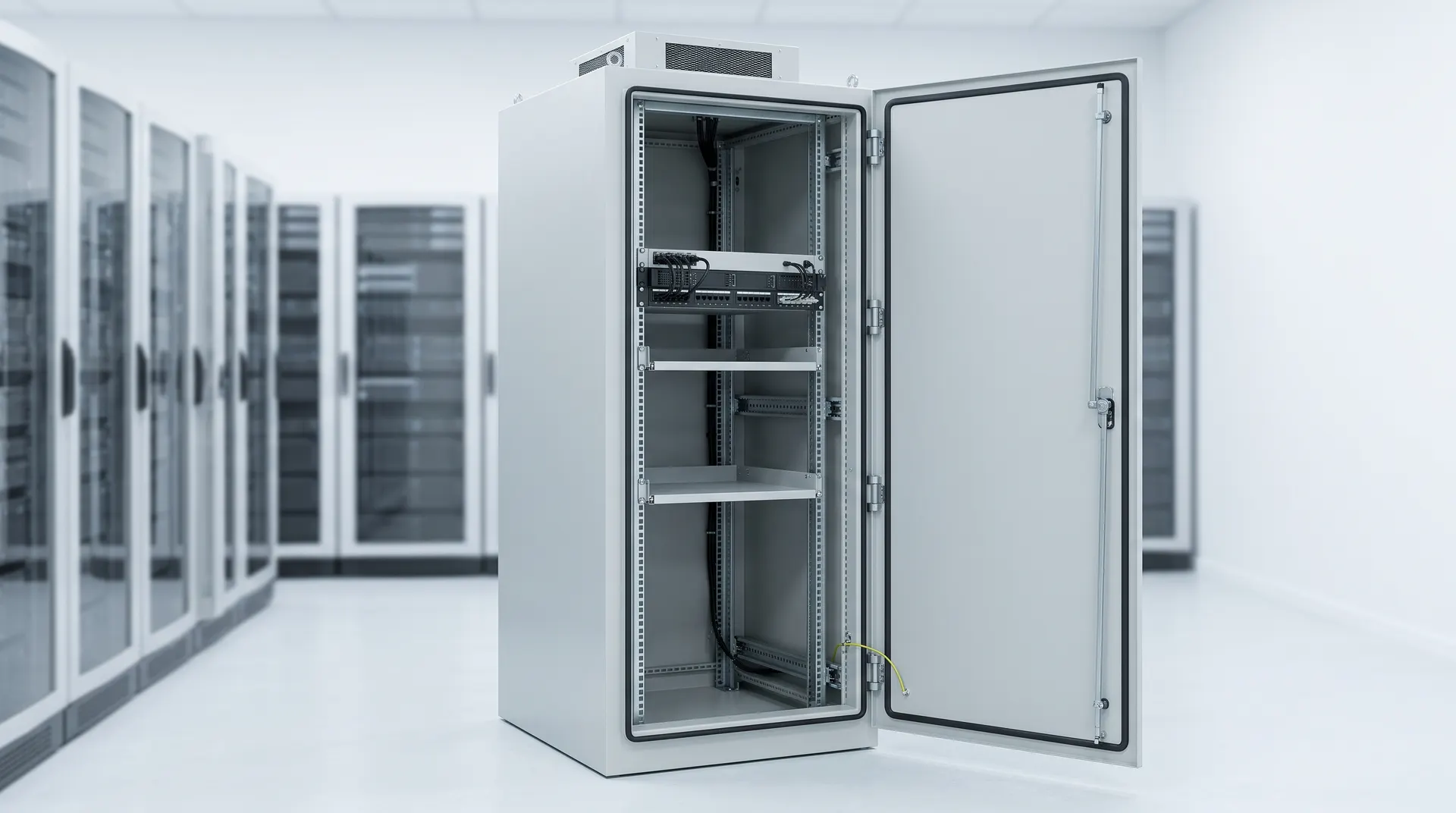
- A defence software and systems integrator was contracted to deliver software together with the hardware it would run on for a NATO programme. The hardware list included a TEMPEST-shielded cabinet, into which all other equipment would be installed.
- The challenge.
- The cabinet, a custom unit ordered before the current procurement team took over, arrived and failed receiving inspection. It did not meet the shielding level the contract required, and it had been ordered without a cooling system. Being custom-made, it could not be returned, and the supplier's records showed it had warned the buyer about the specification at the time. The engineer who had signed off the order had left. The delivery date was close and a delay meant contractual penalties. The recovery required coordinated technical and commercial ownership across departments.
- How it was read.
- Recovering the original purchase would take months and would not solve the delivery. The fastest safe route was a new, correct specification and a new supplier, with the dispute over the faulty unit deferred until after delivery.
- What was done.
- Procurement took ownership of the recovery, and management gave it full authority over the process. A working group was formed from specialists in different departments. The group reviewed the relevant standards and practice, and consulted manufacturers worldwide to build a new technical specification. One question remained: the cooling design, which manufacturers would not commit to because cooling had been a recurring problem in comparable installations. The answer was to commission a three-dimensional model of the system and test the cooling with computational fluid dynamics (CFD), with an outside specialist, until the right design was found. The specification and the CFD results were shared openly with a newly selected manufacturer.
- Outcome.
- The new cabinet was bought at a lower cost than the failed unit, with a production defect warranty and a multi-year commitment to support modifications and upgrades. It was delivered without affecting the programme schedule, and procurement handed it over to the end user in person, including the first installation and user training.
Obsolescence Management · Defence & Aerospace
3. Keeping an Obsolete Component in Service
Resolving component obsolescence and repair logistics
- Context.
- Custom units supplied years earlier to a European end customer, and used on a military aircraft, had failed and been returned for repair. They had to go back to their original manufacturers, one in Europe and one in the United States.
- The challenge.
- The repair had been stalled for months. The units contained batteries, airlines would not accept equipment with older battery types, and opening the units to remove them was not an acceptable option. After a change in the procurement team, the process had stopped. Then a second obstacle appeared: one unit needed a replacement motherboard that its manufacturer had bought from a third party and that was no longer produced. A newer board would have been technically reasonable, but any change to the unit would have meant repeating costly aircraft testing.
- How it was read.
- Two separate problems had to be solved in parallel: a logistics problem that the carriers saw as impossible, and an obsolescence problem that the obvious engineering answer would have made far more expensive.
- What was done.
- The European unit was sent by road, and its repair started. For the United States, road was impossible and sea freight too slow. The archive files and the manufacturer's technical data were reviewed, and the shipment was worked through with international carriers until a packaging solution suitable for the battery type was found. A specialist packer prepared the unit, and it was flown to the manufacturer. For the motherboard, the board maker's details were obtained from the unit manufacturer and the board maker was approached directly. After long discussions, it agreed to check its stock and was able to re-manufacture the legacy board from remaining materials. Boards were ordered for the repair and as a spare, and delivered to the manufacturer. In parallel, procurement joined a meeting with the end customer's project team, explained the causes of the delay and the recovery plan, and secured an extension.
- Outcome.
- The units were repaired without design changes and delivered within the extended period committed to the end customer.
Spend & Value · Operations Management · Pharmaceuticals & Life Sciences
4. Turning Ad Hoc Purchasing into a Planned Supply Base
Establishing structured procurement for a new production facility

- Context.
- A pharmaceutical manufacturer had just built a new production plant and moved to SAP. Most of its raw materials were imported, and the purchasing team had neither the ERP experience nor the language skills the new setup required.
- The challenge.
- There were no supply contracts and no structured ordering process. Requests arrived from departments independently, similar materials were ordered separately, and raw material supply was not tied to the production plan.
- How it was read.
- The plant needed a procurement system, not just a buyer: demand that could be planned, contracts that gave suppliers a reason to offer better terms, and a link between what was bought and what was going to be produced.
- What was done.
- Raw material supply was planned, tracked and reported against the production plan together with the production planning team. Similar requests were consolidated to create volumes worth negotiating, and a contract and bulk ordering process was built from scratch with cross-functional teams from production planning, legal and finance. New terms, including better prices and payment conditions, were negotiated with foreign raw material manufacturers, and the supplier base was widened. Working groups and joint audits with the quality and production planning teams were set up to manage supplier performance.
- Outcome.
- The plant moved from ad hoc purchasing to a contracted, planned supply base, with shorter procurement cycles, lower purchase prices than previous buys and structured monitoring of supplier performance.